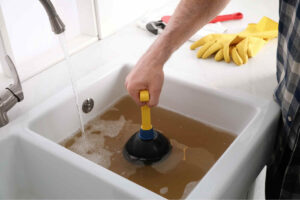


Sewer backup: what to do?
A sewer backup is a stressful situation that can cause significant damage to a property in a very short time. Whether it’s water rising in the basement, unpleasant odors, or overflowing drains, it is essential to act quickly.
But in this type of emergency, one question often comes up: sewer backup what to do? In this article, we explain the causes, the immediate steps to take, and the solutions to prevent this problem.
What is a sewer backup?
A sewer backup occurs when wastewater can no longer flow properly into the municipal system and instead flows back into your home through drains, toilets, or sinks.
This usually happens when pipes are blocked or when the system becomes overloaded, especially during heavy rainfall.
What causes a sewer backup?
Several factors can lead to a sewer backup. In many cases, it is caused by a blockage in the pipes due to the buildup of grease, debris, or inappropriate materials.
Tree roots can also infiltrate pipes and create significant obstructions. Over time, pipes may deteriorate, crack, or collapse, which interferes with proper water flow.
Finally, during heavy rainfall, the municipal sewer system can become overloaded. This prevents water from draining properly and can lead to backups in residential properties.
Sewer backup: what to do immediately?
When a sewer backup occurs, it is crucial to act quickly to limit the damage.
The first thing to do is to stop using any water source in the home. This includes toilets, showers, washing machines, and sinks, as any additional water will worsen the situation.
Next, if it is safe to do so, it is recommended to turn off electricity in the affected areas to avoid any risk of electrocution, especially in the presence of water.
It is also important to try to contain the water to limit its spread. Using towels, buckets, or temporary barriers can help protect certain areas.
Finally, you should contact a professional plumber as soon as possible. A quick intervention helps reduce damage and identify the cause of the backup.
Why call a plumber quickly?
A sewer backup is not something to take lightly. Even if the situation seems under control, the cause of the blockage may be more serious than it appears.
A professional has the necessary tools to inspect the pipes, locate the issue, and perform a thorough cleaning. In some cases, a camera inspection is used to accurately diagnose the condition of the pipes.
Calling an expert also helps prevent the problem from recurring in the short term.
Risks associated with a sewer backup
The consequences of a sewer backup can be significant. Contaminated water entering your home can damage floors, walls, and furniture.
It also poses health risks due to the bacteria and contaminants it contains. Prolonged exposure can lead to respiratory problems or infections.
This is why it is essential to act quickly and ensure proper cleaning.
How to prevent a sewer backup?
Although some factors are beyond your control, several measures can help reduce the risk of a sewer backup.
Regular drain maintenance is essential. Avoid disposing of grease, wipes, or waste in your plumbing system, as these are common causes of blockages.
Installing a backwater valve is also an effective solution. This device prevents water from flowing back into your home during a municipal system overload.
It is also wise to have your pipes inspected periodically, especially if your property is older.
Trust Plomberie Roger Chayer inc.
In the event of a sewer backup, it is important to rely on an experienced team.
Plomberie Roger Chayer inc. offers specialized residential and commercial plumbing services, including sewer backup diagnosis and repair. Our team responds quickly to identify the cause of the issue and carry out the necessary repairs.
With our expertise, you benefit from an efficient and long-lasting solution, reducing the risk of future problems.
What to do after a sewer backup?
Once the issue has been resolved, it is important to clean and disinfect the affected areas. Since sewer water is contaminated, a deep cleaning is necessary to ensure a safe and healthy environment. In some cases, it may be necessary to hire post-disaster cleaning specialists to remove all traces of contamination.
Finally, taking preventive measures after an incident can help avoid another sewer backup in the future. A sewer backup is an urgent situation that requires a fast and effective response. Knowing what to do during a sewer backup helps limit damage and protect your property. In case of doubt or emergency, it is always best to contact an experienced professional. Acting quickly today can help you avoid costly repairs tomorrow. Contact us for a quote!